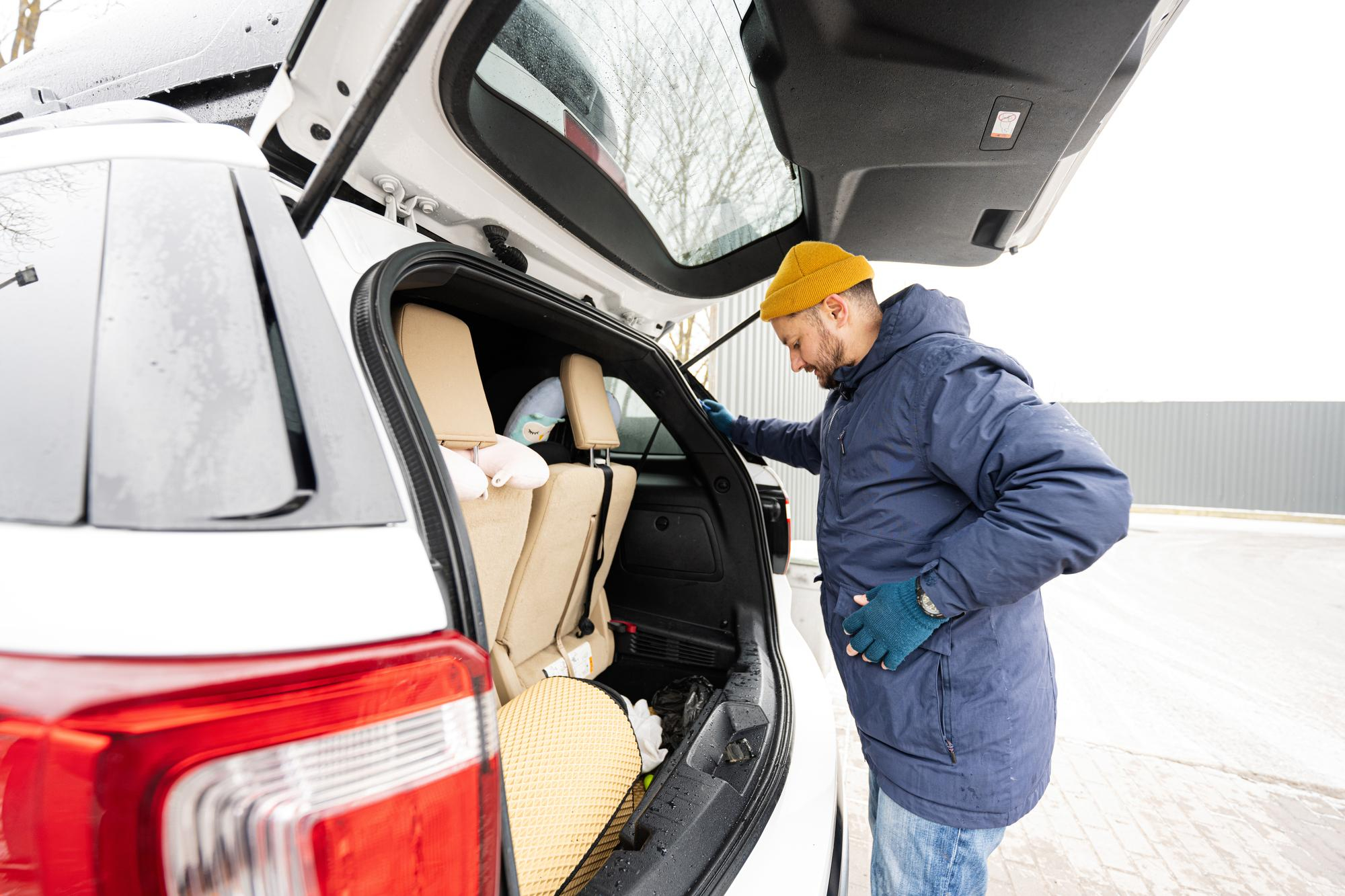
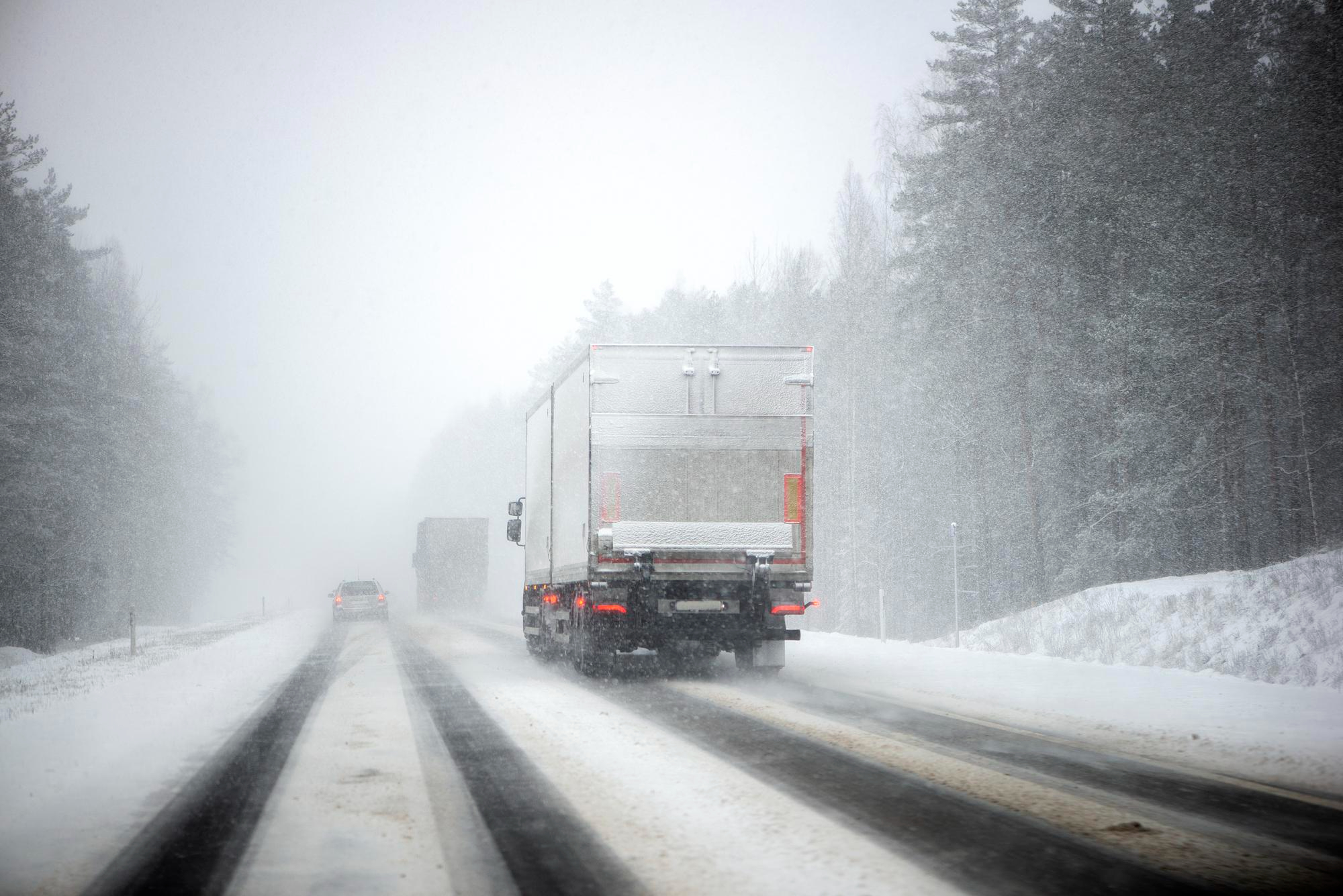
Snow and ice do not usually cancel a Chicago move, but they change almost everything about how the day runs: traction underfoot, where the truck can legally stop, how long each carry takes, and how often the crew has to pause to re-treat a path.
Our team has worked through 25 Chicago winters, and the jobs that go well are the ones where the household understood those changes in advance.
How Snow and Ice Change a Moving Day
The clock is the first thing that moves. A carry that takes 20 minutes on dry pavement stretches past half an hour once there is a treated path to cross, boots to wipe, and a dolly that cannot be run at full speed.
Because we charge by the hour from the moment the crew arrives, that difference is worth planning for rather than discovering at four in the afternoon. A job quoted on a summer-style inventory needs honest expectations attached to it in February.
Grip is the second. Ice under fresh snow is what causes injuries and dropped furniture, and fresh snow hides exactly the patches that need attention. We walk the route before anything comes out of the house, salt or sand what needs it, and set the carry path deliberately rather than taking the shortest line.
That walkthrough is standard on every local Chicago moving service booking we run between December and March.
Clearing and Treating the Path Before We Arrive
Clear the full width of the walk, not a single-person lane. Two movers carrying a sofa or a dresser need to walk abreast, and a narrow shoveled channel forces them onto the unsalted edges where the footing is worst. Take it from your door to the curb or the alley pad where the truck will sit, including stairs, landings, and any gate or threshold along the way.
Treat it the night before and again at first light. An evening salting refreezes overnight in Chicago temperatures, and the surface that looked fine at 9 pm will be glazed by 7 am.

Keep a bag of salt or sand by the door so the path can be refreshed through the day, because repeated foot traffic packs snow into ice faster than most people expect. If you are in a building where the association or management handles this, confirm with them the week before that the lot and walk will actually be cleared on your date.
Booking a move in the middle of winter? Get a free written estimate, and we will account for the conditions in the plan.
Parking, Alleys, and Where the Truck Can Actually Stop
Chicago parking is a problem in any season and a harder one after a plow has run. Plow ridges close the curb space you were counting on, alley pads fill with pushed snow, and the spot that was open on your scouting trip is gone by the morning of the move. Scout it again the day before rather than relying on what you saw in October, and tell us what you find.
Where a loading zone permit applies to your block, get it sorted early and post the signage on time. The closer the truck parks, the shorter every trip, and in winter the length of the carry drives the length of the day more than any other single factor.
If the only workable spot sits half a block down, say so when you book so we can crew the job accordingly. Our breakdown of Chicago moving parking rules covers how the permits and restrictions work across different parts of the city.
| Condition | What changes | What helps most |
|---|---|---|
| Fresh snow over ice | Hidden patches, slower carries | Salt the night before and again at dawn |
| Plow ridge at the curb | Truck parks further away | Clear the ridge or reserve a closer spot |
| Slush and road salt | Floor and finish damage indoors | Floor protection down before the first box |
| Hard freeze overnight | Refrozen walkways, stiff hardware | Re-treat the path, allow extra time |
How Our Crews Handle Furniture on Slick Ground
Load order shifts when the ground is bad. Heavy and awkward pieces go when the crew is freshest, and the path is at its cleanest, rather than last when everyone is tired and the walk has been packed down by four hours of traffic. Large flat items that act like sails in wind get handled differently on an exposed block than they would in a sheltered courtyard.
Wrapping happens inside, not at the truck. Pads and shrink go on where it is warm and dry so nothing sits in falling snow waiting to be covered, and wrapped pieces move straight from the door to the ramp without a staging pause outdoors.
Dollies get used more sparingly on uneven frozen ground, where a wheel catching a ridge is the thing most likely to tip a load. These are small adjustments individually, and together they are most of what separates an experienced winter crew from one that mainly works summers.
When a Move Should Actually Be Rescheduled
Very little stops a move in this city. Crews here work in snow routinely, and a few inches overnight is an ordinary Tuesday rather than an emergency. What genuinely warrants a change of date is a storm heavy enough to close roads, a cold snap severe enough to make a long outdoor carry unsafe for people, or a building that has not cleared its lot and cannot be reached.
Call the office as soon as the forecast turns rather than waiting for the morning. With notice, we can shift a start time, add a crew member, or move you to another slot while keeping the booking alive.
Without notice the day is simply gone for everyone involved. Most of the time the answer is an adjusted plan rather than a new date, and the households that call early are the ones who get that choice. More on working through the season sits in our guide to the challenges of Illinois winter moves.
Weather in the forecast for your moving date? Talk to our team, and we will build a plan that holds up whichever way it goes.
Related Topics: