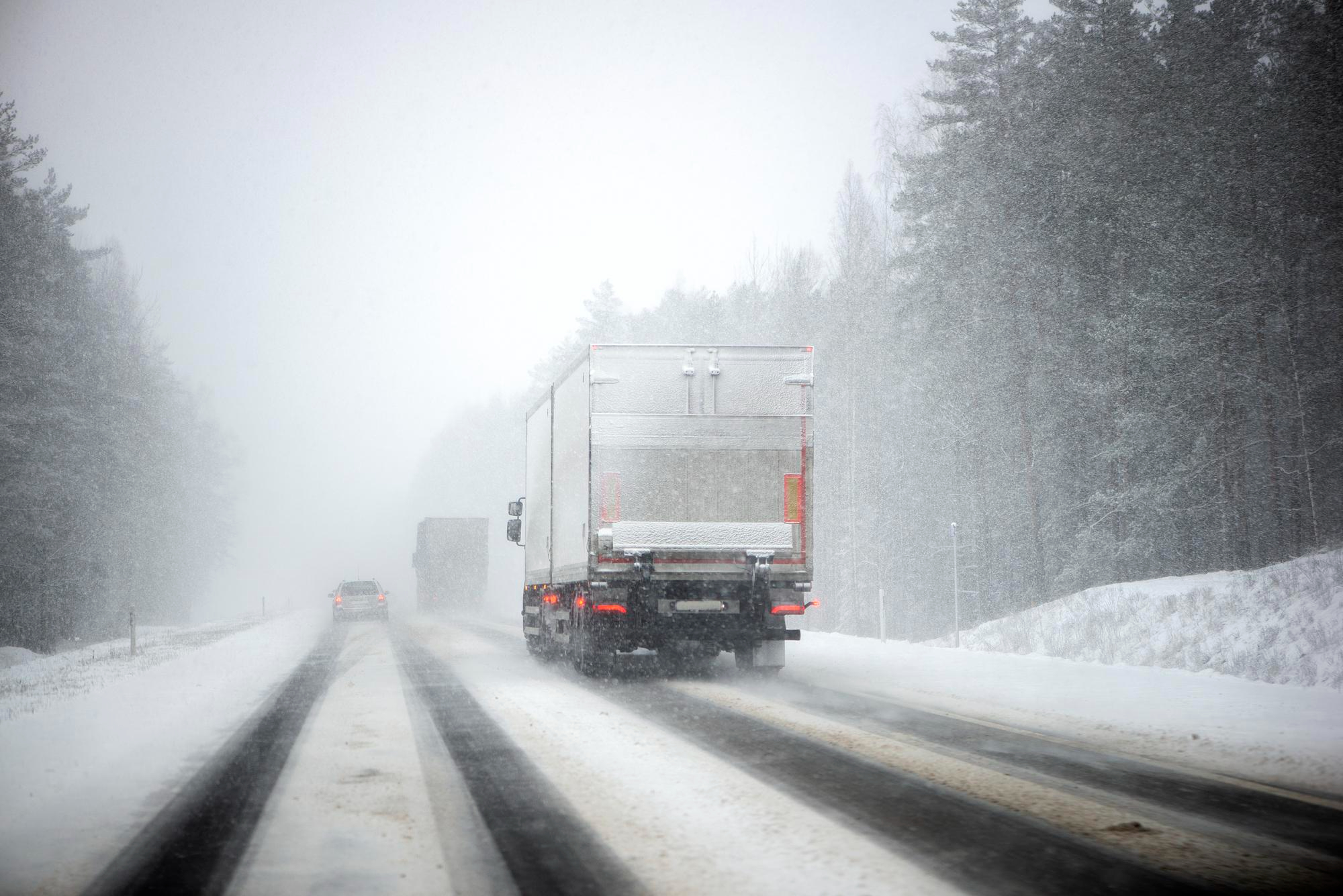
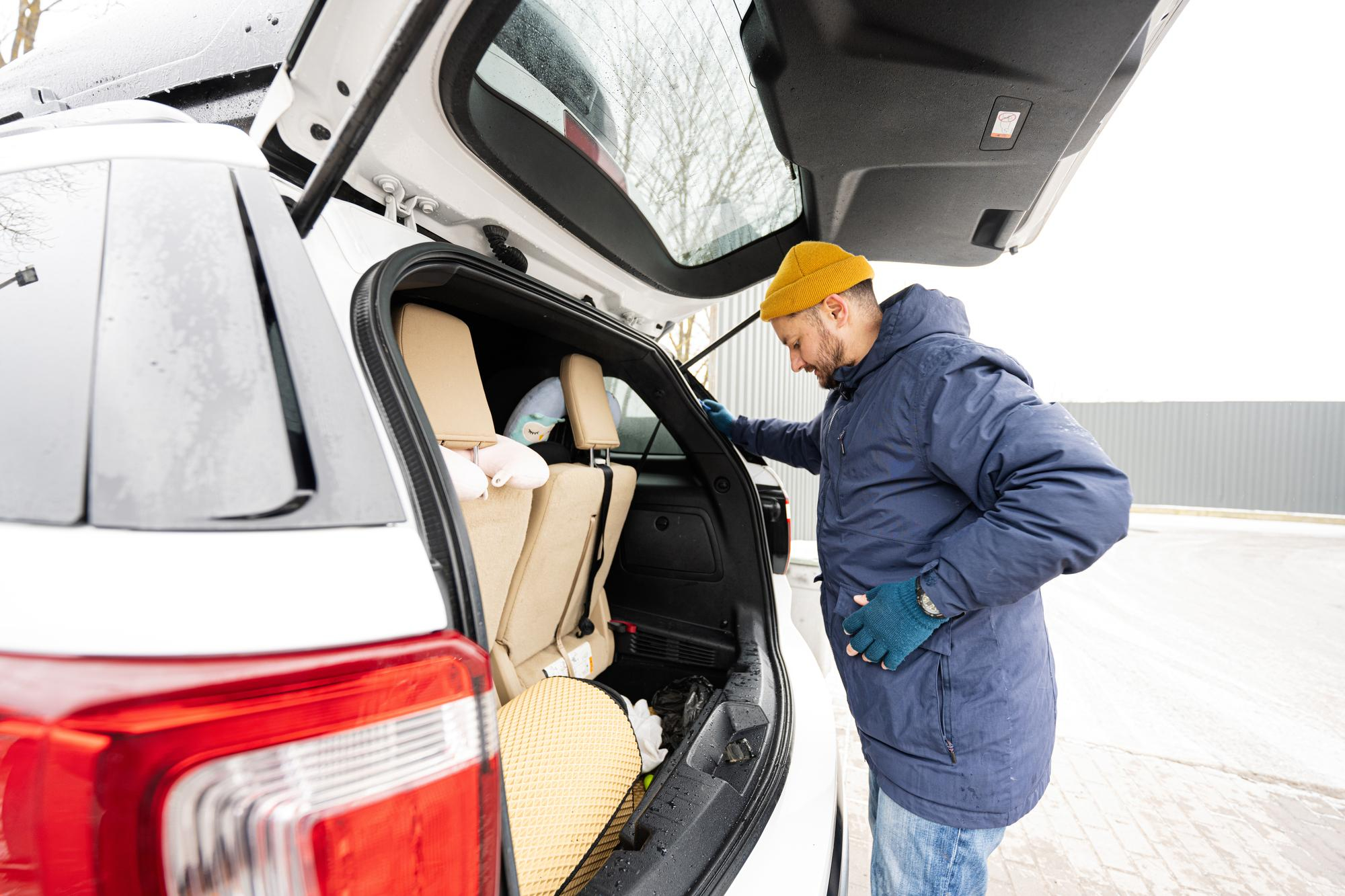
Lock your date four to six weeks out, settle building access and any certificate of insurance while the weather is still cooperating, and leave one flexible day in the plan for snow.
Preparation is what separates a smooth January move from a difficult one, and most of it happens well before anyone touches a box. Our team has run Chicago moves since 2001, and the winter jobs that go cleanly are almost always the ones booked early with the paperwork already handled.
Book Earlier Than the Season Suggests You Need To
Winter is quieter than the May and October lease turnovers, which leads people to assume a date can be grabbed a week out. Two things undercut that.
Saturdays still fill, holiday weeks compress everyone’s availability into fewer working days, and a single storm can push a canceled job onto the next open slot and tighten the calendar behind it. Giving us four to six weeks means you choose the date rather than accepting what is left.
Early booking also buys accuracy on the estimate. We build your number from the inventory you give us, so a few weeks of lead time lets you send photos or sit for a video walkthrough instead of guessing at box counts over the phone.
That matters more in winter, when a longer carry or an unexpected flight of stairs costs more time than it would in June. Our local moves across Chicago are quoted the same way in every season, and winter simply punishes a loose inventory harder.
Settle Building Access Before the Weather Does
Most downtown and North Side buildings will not let a crew past the loading dock without a certificate of insurance naming the building and its management company.
Send us your property manager’s contact and the building’s requirements when you book, and we issue the certificate directly to management. Doing this in week one rather than week four removes the single most common reason a move gets delayed at the door.
Freight elevators are handed out in two- or four-hour windows, and in winter those windows matter more because everything takes longer. Boots come off wet, floor protection has to go down first, and a carry that runs 20 minutes in summer runs 30 in February.

Tell us which slot your building gave you, and we crew the job to fit inside it. If the building wants Masonite or Ram Board on lobby floors before the first box moves, which many do once salt season starts, that is worth knowing before the truck is loaded rather than after.
Our winter moving crews in Chicagoland treat these building requirements as part of the standard setup.
Planning a move this winter? Send us your date and your building details, and we will handle the certificate and the elevator window.
Get the Home Ready the Week Before
Winter preparation at the property is mostly about traction and warmth. Walkways, stairs, and the stretch between your door and where the truck will park need to be clear and treated the night before, then checked again in the morning, because a freeze overnight undoes whatever you did at 8 pm.
Salt or sand the full width of the path, not a narrow lane, since two people carrying a dresser need room to walk side by side.
Inside, stage boxes near the door so the carry out is short and the entry is open for less total time. Pull up area rugs and runners in the path rather than leaving them to collect slush and slide underfoot. Heat the house to its normal temperature rather than dialing it back, and have a few old towels at the entry so boots and dollies can be wiped between trips.
| Task | When to do it | Why winter changes it |
|---|---|---|
| Clear and salt walkways | Night before, recheck at dawn | Overnight freeze undoes evening treatment |
| Confirm utility activation | Three to four weeks out | Appointment windows tighten near holidays |
| Send building COI details | At booking | Delays at the dock cost billable time |
| Stage boxes near the door | Day before | Shorter carry keeps the entry closed longer |
| Lay down floor protection | Morning of | Salt and slush do the damage, not snow |
Build a Snow Day Into the Plan
A Chicago winter will not always cooperate with a date chosen in November. The households that handle this well are the ones who decided in advance what happens if a storm lands. That means knowing whether your lease or closing allows any flexibility, having a backup date in mind, and knowing who to call on both ends if the schedule shifts.
Call our office the moment your date looks shaky rather than on the morning itself. A canceled booking is a crew and a truck we cannot fill that day, and with notice we can rework the schedule and hold your slot instead of losing it.
Weather rarely cancels a move outright in this city, since crews here work through snow regularly, but it does change start times and carry speeds, and a plan that assumed a perfect day leaves no room for either. Our guidance on when to book Chicago movers covers how much lead time different parts of the year actually need.
Set Aside What You Will Actually Need That Day
Pack one box or bag that rides in your car rather than on the truck, and make it a winter version rather than the standard list. Dry socks and a change of clothes belong in it, because anyone in and out of a building for six hours in February ends up wet. Phone chargers, medications, basic tools for reassembling a bed, and the paperwork for both properties go in alongside them.
Add a thermos and something hot for yourself and the crew if you are inclined, which is not required but is noticed on a long cold job. Keep the box somewhere obvious and tell us it is not going on the truck, because the single fastest way to lose it is to leave it in a room that gets cleared while you are downstairs. Everything else can ride with the load.
Ready to lock in a date? Get a free written estimate from our team, and we will plan the day around the weather, your building, and your schedule.
Related Topics: