Keep the items that cold actually harms out of the truck entirely, wrap everything else in materials that handle moisture, and let anything that does ride outside come back to room temperature slowly before it is unwrapped or switched on.
Most winter damage is not caused by cold on its own. It is caused by moisture and by the temperature swing between a freezing truck and a heated room.
What Cold and Moisture Do to Household Items
Wood is the material that suffers most, and solid wood suffers more than engineered wood. Timber takes on and gives up moisture with the air around it, so a dresser that sits in a cold truck and then goes into a warm, dry apartment moves at the joints, and veneer can lift where the glue line is already tired.
Antique pieces with hide glue are the most sensitive of all, since that glue was never formulated for a freeze-thaw cycle.
Electronics fail differently. Cold itself rarely kills a television or a computer, but condensation does, and condensation forms when a cold device is brought into a warm room, and moisture settles on surfaces inside the case.
Powering something on while that moisture is still present is what causes the damage. Screens add their own problem, since LCD panels can respond poorly to deep cold and the symptoms may not show until the unit warms.
Instruments, artwork, candles, vinyl records, and anything with a lacquer finish each have their own version of this. We cover the handling side of that on every booking that includes professional packing services.
Items That Should Not Ride in an Unheated Truck
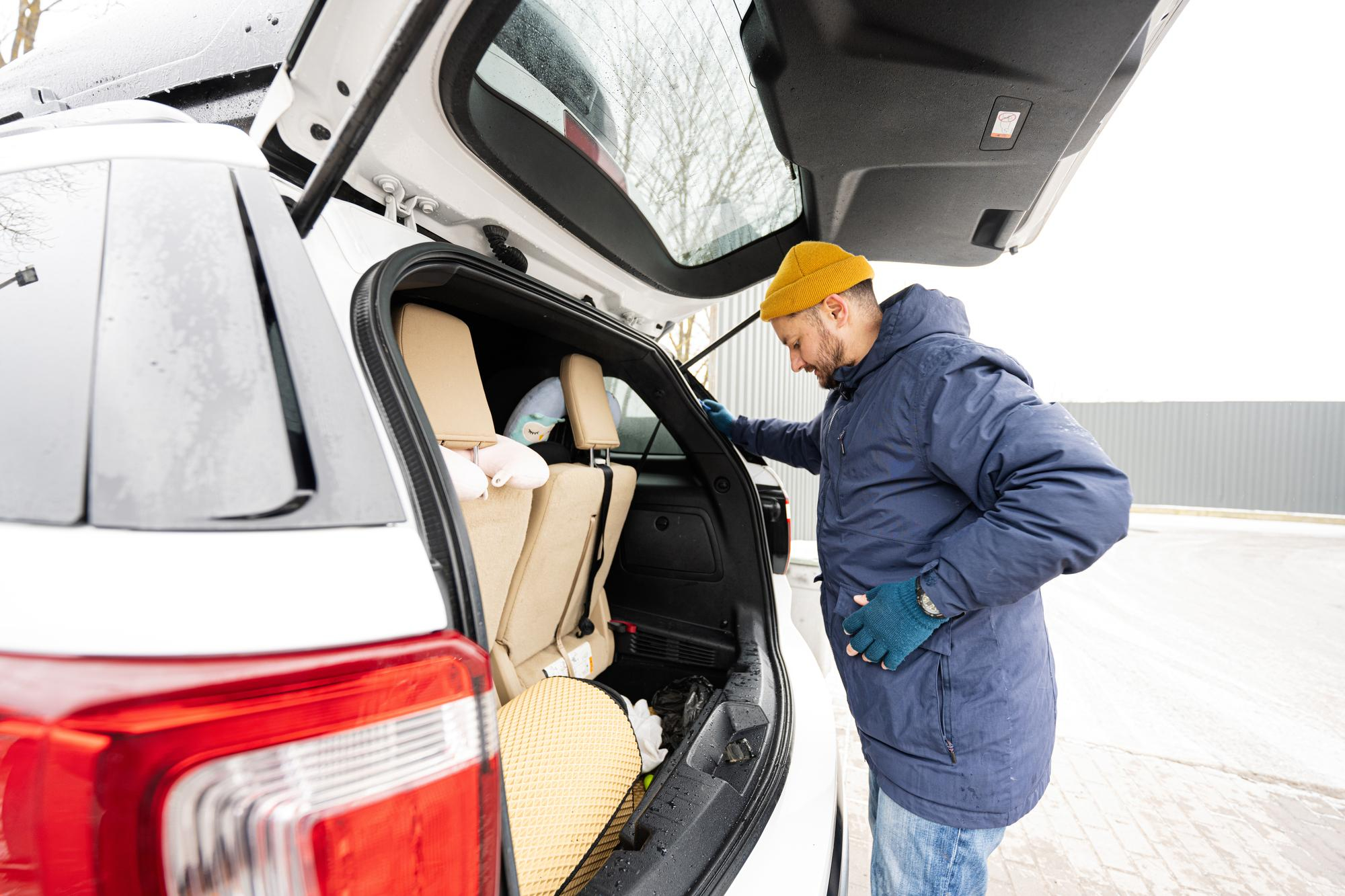
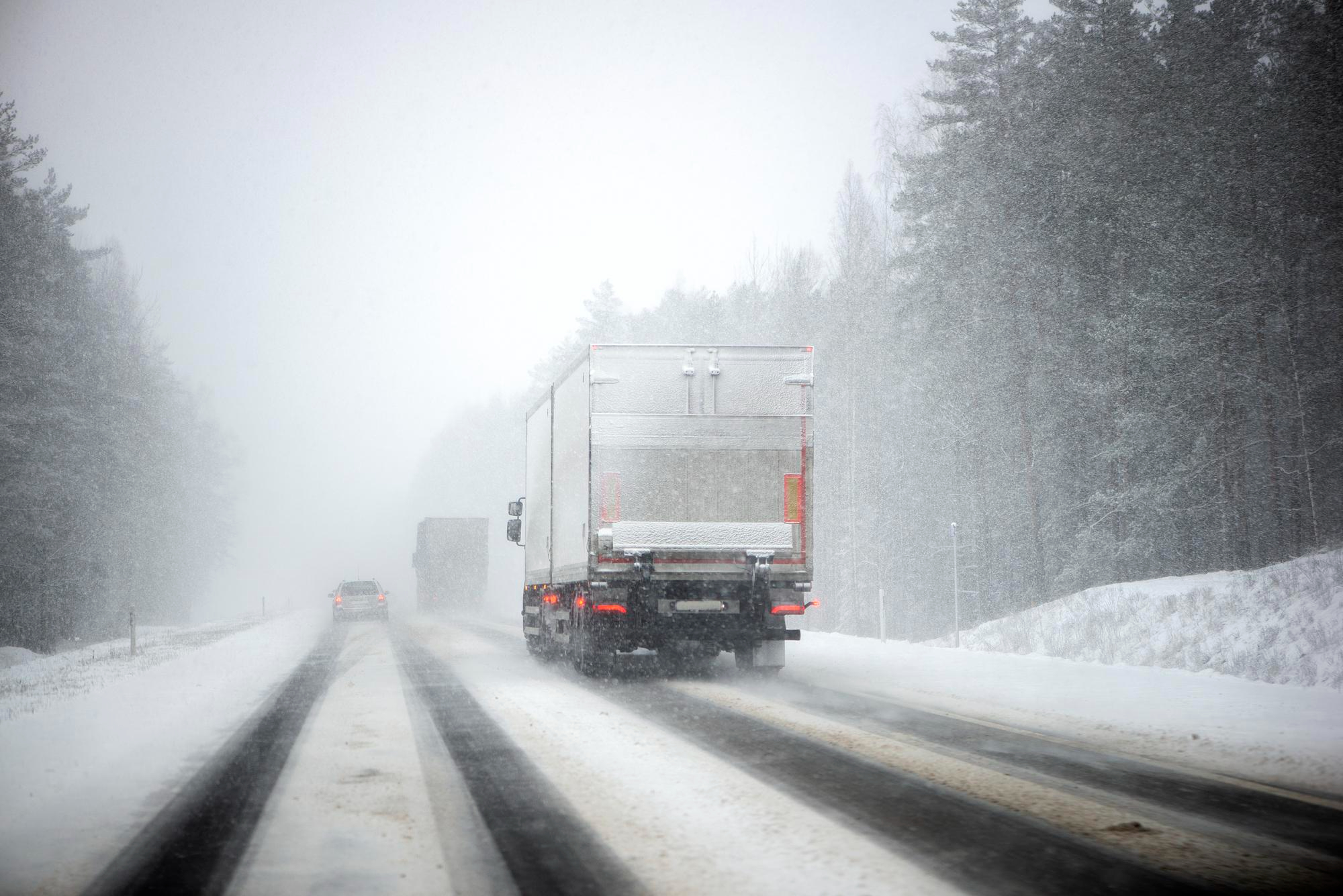
A moving truck is not heated, and on a January run across Chicago the cargo area sits at roughly whatever the outside air is doing. Most of a household handles that without trouble for a few hours. A short list does not, and those items belong in a heated car with you rather than on the load.
Keep medications, laptops, tablets, phones, cameras, musical instruments, important documents, houseplants, and anything liquid that can freeze and split its container with you.
Wine, cleaning products, and partially used paint fall in that last group. Pull the items out before packing day rather than trying to identify them while the truck is loading, because that is when things get missed.
- Medications, and anything with storage instructions on the label
- Laptops, tablets, phones, cameras, and external drives
- Stringed and wooden instruments, which react to both cold and humidity
- Original documents, photographs, and artwork on paper
- Houseplants, which can be damaged by a short exposure
- Wine, liquids, and anything that expands when it freezes
Packing Materials That Hold Up in Winter
Standard cardboard does fine indoors and poorly in wet conditions, and winter is a wet condition even when it is not snowing. A box carried across a slushy sidewalk picks up moisture at the bottom corners, and a damp box loses its structure right where it is carrying weight.
Doubling the base with tape and keeping boxes off wet ground between the door and the ramp handles most of this.
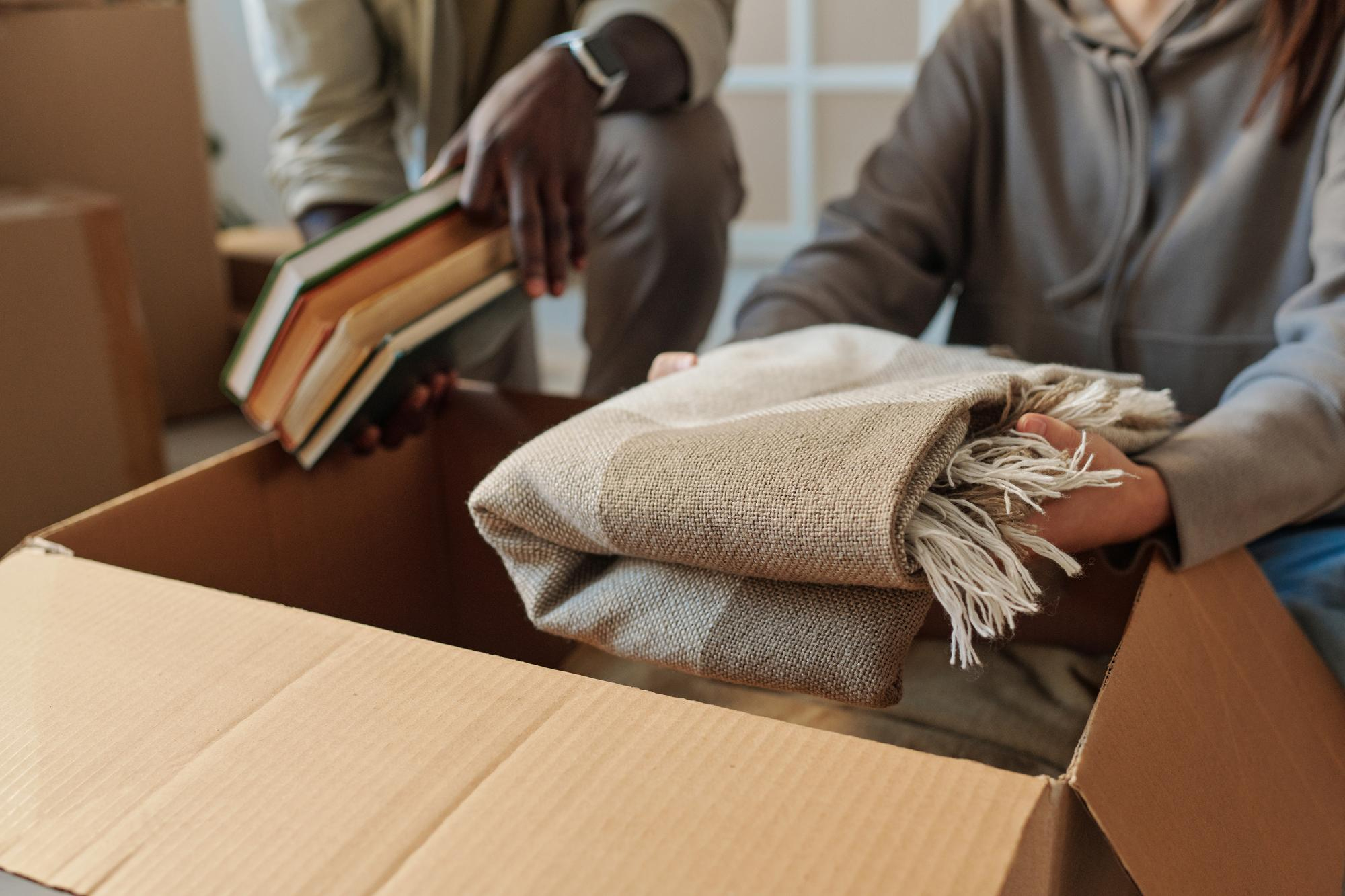
Plastic moving bins are worth considering for the winter portion of a load, particularly for books, documents, and anything going into a basement or garage at the other end. Where cardboard is used, pad the contents more generously than usual, since the padding slows temperature change as much as it absorbs impact.
Furniture pads, shrink wrap over the pads, and moving blankets under hard corners all do double duty in February. Our fuller guidance on packing belongings safely and efficiently covers the technique that sits underneath all of this.
Not sure what needs special handling? Our team will walk through your inventory and tell you what rides with you.
How Load Order Protects Fragile Items in Winter
Sequencing does more for cold protection than any single material. The pieces most sensitive to temperature go on the truck last and come off first, which keeps their total exposure to a fraction of the day rather than the whole of it. On a move where the new place is already heated, those items are inside and warming while the rest of the load is still being carried.
Wrapping happens indoors where it is warm and dry. A piece wrapped at the truck has already been exposed, and shrink applied over a cold, damp surface traps that moisture against the finish for the length of the trip, which is worse than no wrap at all.
Our crews pad and wrap in the house, carry straight to the ramp, and avoid staging anything outdoors. For high-value and delicate pieces specifically, our notes on handling fragile items and valuables go further into that process.
Unpacking and Acclimating After the Truck Is Unloaded
The temptation at the end of a cold day is to unwrap everything and plug it in. That is the moment most winter damage actually occurs.
Leave electronics in their packaging for several hours after they come inside so the whole unit reaches room temperature together, then unwrap and wait a while longer before powering anything on. If you can see condensation on a surface, it is too early.
Wood furniture wants the same patience for a different reason. Let pieces sit in the room where they will live before polishing, loading shelves, or reassembling anything with tight joinery, so the timber adjusts gradually to the humidity indoors.
Instruments need the longest of all, and a guitar or a piano should stay in its case or under cover for several hours at minimum before being opened, tuned, or played. None of this requires extra work. It only requires leaving things alone slightly longer than feels natural at the end of a long day.
Moving in the cold months? Ask our team for a free written estimate, and we will plan the packing and the load order around what your belongings need.
Related Topics: