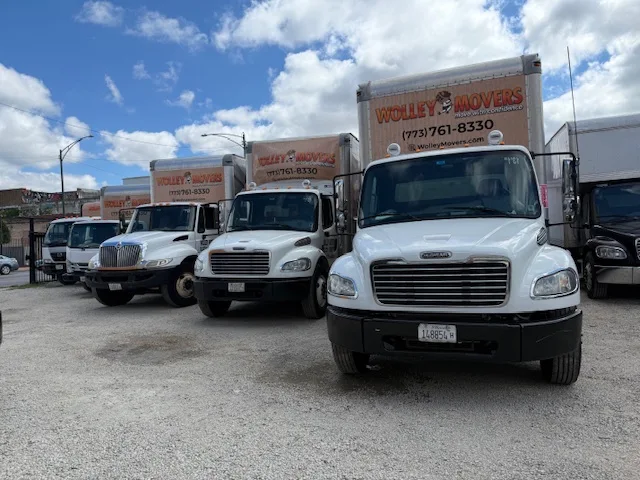
Most moving day injuries happen in the doorway and on the stairs, not on the truck. The fix is traffic control rather than caution, with one room set aside for the family and one clear route left for the crew. As trusted movers in Chicago, IL, we have run residential and specialty moves here for more than 25 years.
Our movers are our own employees, hired with moving experience and safety-trained, and we never subcontract a crew. We call the day before to confirm crew size and parking, which is just the moment to tell us who is in the house. Pick the family room before that call and the rest of the day follows.
The Riskiest Hour Is the One Before the Truck Pulls Away
A home in the middle of a move kind of stops behaving like a home. Doors get propped open, rugs come up, and the hallway fills with boxes stacked to knee height. Everyone keeps walking at their usual pace through a floor plan that changed an hour ago. That mismatch causes most of the trips and the bruised shins.
Our residential moving services have taken us through enough of these homes to know the pattern holds everywhere. It shows up in apartments, in three-flats and in single-family houses. Our crews walk the place with you before anything is wrapped.
That walk is when a loose stair runner or a wobbly porch rail gets noticed. Do the same walk yourself if no crew is coming. A hazard you have stepped over for years stops being invisible once you name it aloud.
Where Children and Pets Belong While the Crew Works
Pick one room the crew will not need until the end and make it the family base. A back bedroom beats the living room, since it keeps children off the carry route and away from the open front door. Stock it with snacks, chargers, and something to watch. Then tell the crew lead which room it is, so nobody walks in carrying a dresser.
Pets need more separation than children do. A closed door is just not enough for a cat that has listened to strangers carry furniture past it all morning. An open front door is all the invitation most dogs need.
Boarding for the day solves it cleanly, and there are quieter ways to handle moving with pets if boarding isn’t an option. If the animal stays home, put a sign on the door of the room it is in. A crew member who does not know a cat is behind that door has no reason to open it carefully.
What Chicago Buildings Add to the Risk
City moves bring hazards a suburban driveway never produces. Freight elevators come with reserved windows, usually two or four hours. The moment that window runs out, a propped stairwell door becomes the backup route.
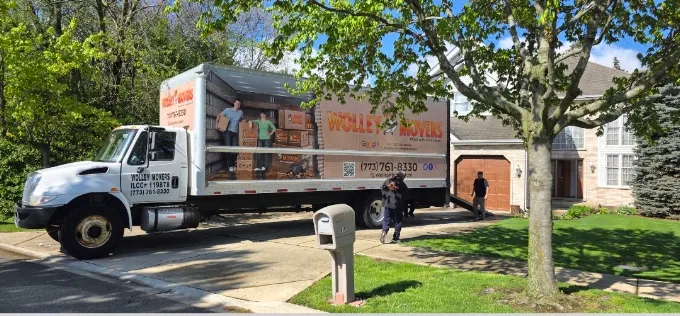
Stairwells in older Chicago, IL buildings are narrower than they look and poorly lit at the landings. Anyone in your household going up or down should use a different staircase than the crew, or wait. Loading happens in the street or the alley rather than on private property.

Our crews know which blocks need a loading zone permit, since skipping one is among the common moving day mistakes, and a truck parked legally near the entrance shortens every carry. That matters more for safety than it sounds.
A long carry means more trips past your front door, and more time with that door standing open. If your building has a dock, ask management where foot traffic crosses it, then keep your family off that line.
Living in an older building with tight stairwells or a short freight elevator window? Give us a call at (773) 761-8330, and we’ll help you plan the carry before moving day gets complicated.
Clear These Before the Crew Arrives
Maybe ten minutes of prep removes most of the hazards a crew has to work around. None of it is deep cleaning, and none of it needs tools. The job is clearing the route between the furthest room and the front door. Walk that route once, slowly, and fix what you find on the way.
Do it the night before rather than that morning. Moving morning belongs to the crew, and a household still tidying at eight o’clock is a household in the way. Plenty of moving day problems begin exactly here, with prep left too late to finish.
- Rugs and runners in hallways, on stairs and inside entryways, rolled and set aside
- Cords and charging cables that cross a walking path, unplugged and coiled
- Low furniture in the carry route, including side tables, plant stands and shoe racks
- Doors that swing shut, propped or hooked so nobody catches an arm mid-carry
- Salt, water or slush in the entryway, mopped again as the day goes on
Anything still on that list at nine in the morning gets stepped over all day, by everyone.
Weather Decides How Slippery the Job Gets
A January move and a July move fail in different ways. Winter brings ice on ramps and salt tracked across lobby tile, so floor protection goes down before a single box moves. Keep the mop nearby and give the crew somewhere to knock snow off their boots. Check the outside steps every hour rather than once in the morning.
Summer carries a bit of a different problem, which is heat rather than footing. A packed truck in August runs hotter than the sidewalk, and the people working inside it take the risk.
Cold water near the door costs nothing and helps more than anything else you can offer. If your household includes older adults, keep them in the cooled base room instead of supervising from the porch.
Let the Lifting Belong to the People Trained for It
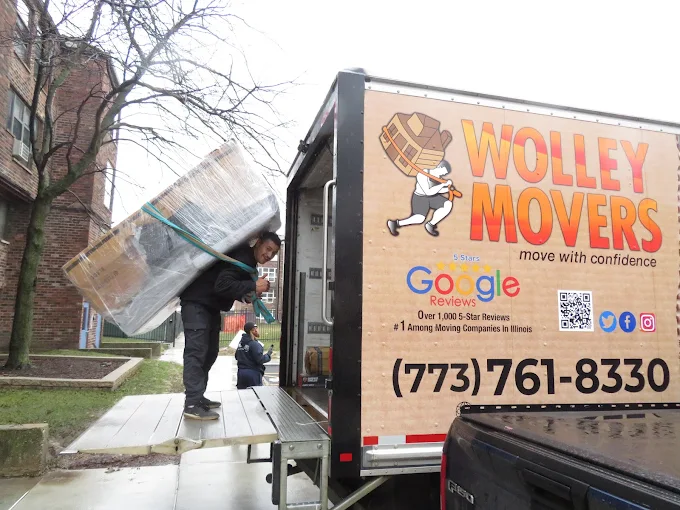
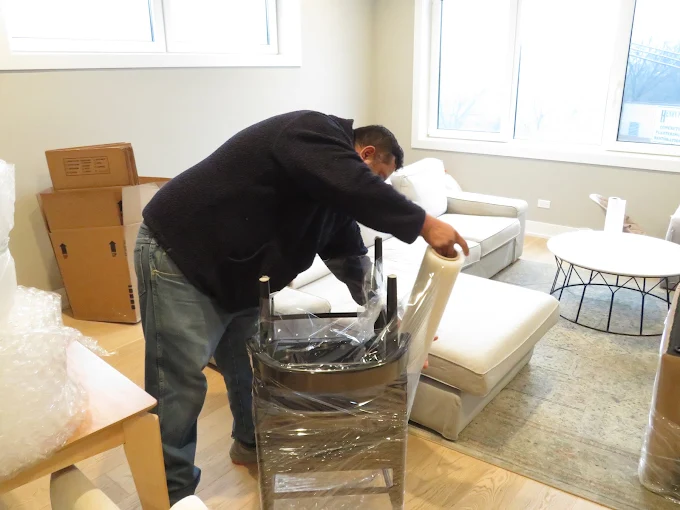
The most common family injury on moving day comes from a helpful relative carrying one box too many downstairs. Our movers are our own employees, hired with moving experience and safety-trained. Nothing leaves the house until it is padded and under control. Our residential movers do this every week, which is the part a willing uncle cannot replicate.
Hand off the heavy work and just keep yourself free for the job only you can do. You are the one who knows what is in the house and where it goes. Walk the crew through anything fragile or awkward up front, so they can plan the load order around it. Then do the final walkthrough of the old place before the truck leaves, checking closets, cabinets, and the storage locker.
A move across Chicago, IL that finishes an hour late is a minor annoyance. A move where somebody gets hurt is not. Plan the day around keeping everyone safe and the rest takes care of itself.
Have questions about your move, or just want to talk through the plan first? Contact us at (773) 761-8330, and we’ll help you figure out the right next step. We’re here Monday to Friday, 8:00 AM to 6:00 PM, and Saturday, 8:00 AM to 5:00 PM.
Related Topics: